
The Stellar Survey returns!
And so does spring, and warmer weather...maybe???

As always, friends, if you run into a paywall with any of these article links, just copy and paste the link into archive.ph!
Astronomers have discovered an extremely rare star from the ancient universe.
Could the black hole at the centre of the Milky Way actually be a clump of dark matter?
Can this nonprofit help to protect Earth from asteroid impacts?
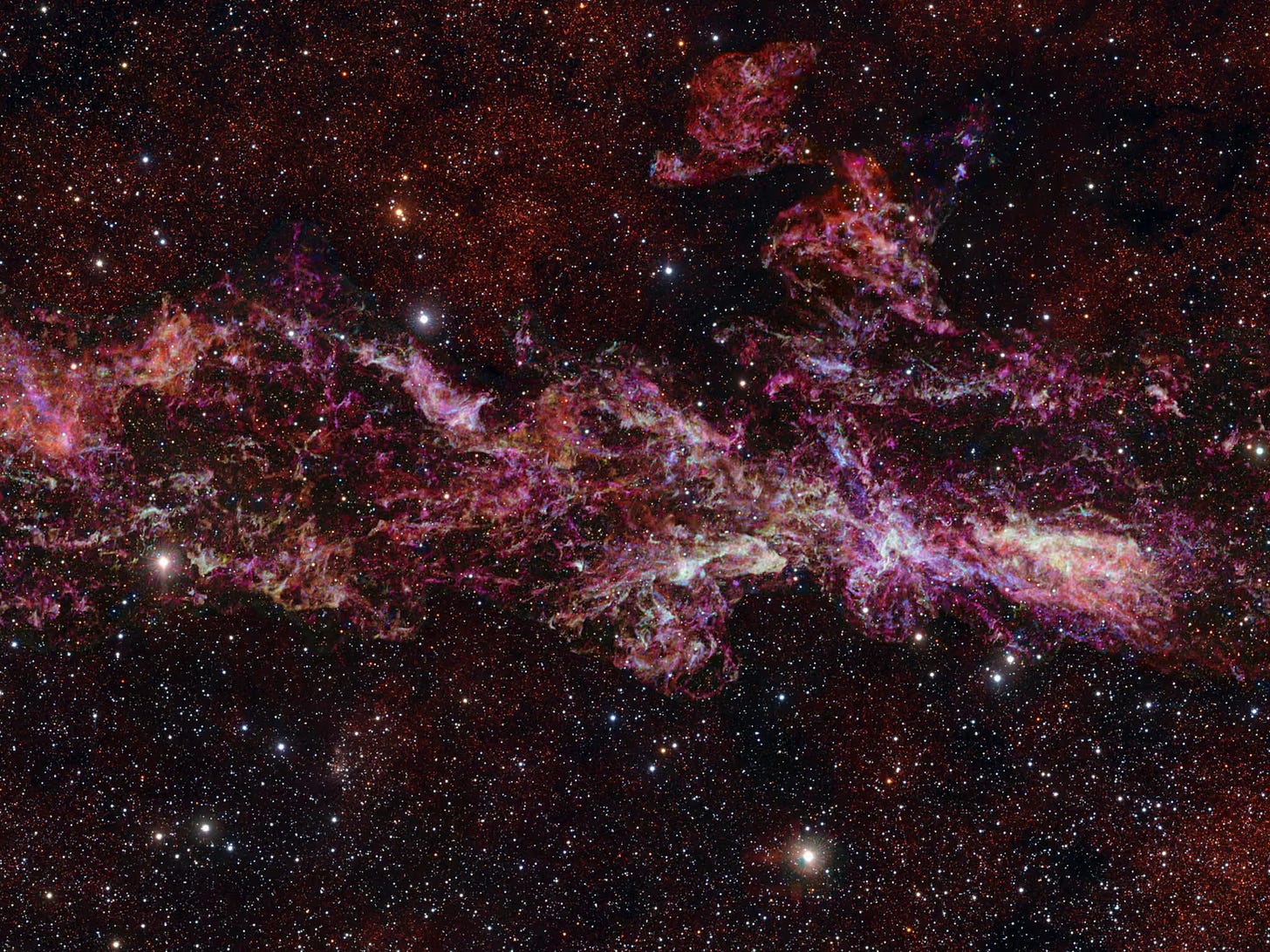
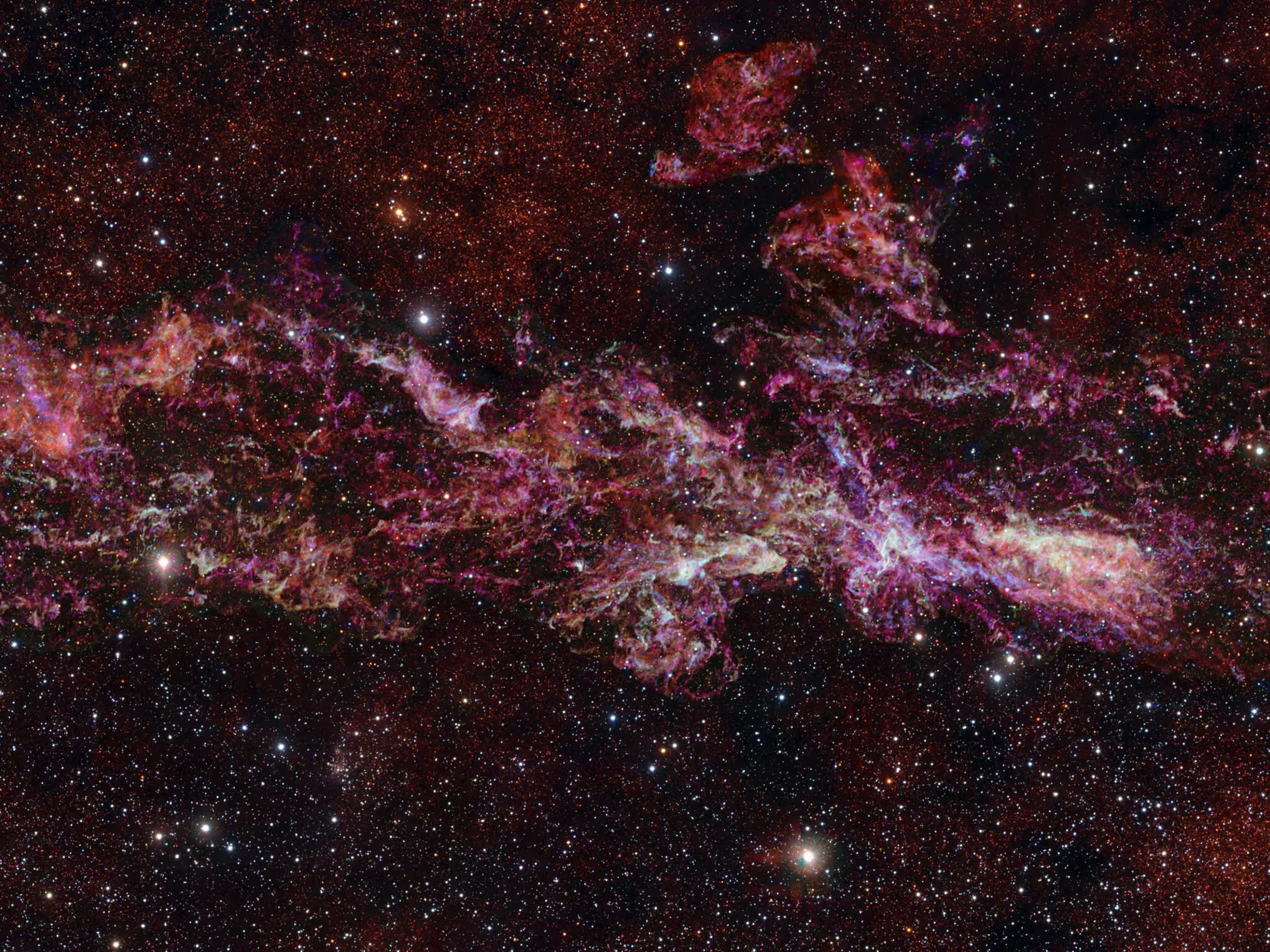
An image showing the composition of molecular gas in the Central Molecular Zone (CMZ) of the Milky Way. Photo credit: Alma(ESO/NAOJ/NRAO)/S. Longmore et al. Background: ESO/D. Minniti et al. Photo originally retrieved from theguardian.com.
Surprising exactly nobody, SpaceX has shifted its focus away from Mars and back to the Moon.
Here’s how you can try to see Venus with a super-young crescent moon tonight!
Speaking of the Moon—here’s a little more about the “more achievable path” that scientists will be taking to get back on our favourite satellite.
Here’s how we’ll most likely find aliens, when and if that happens.
Astronomers have discovered a new exoplanet that most likely smells like rotten eggs. (Its atmosphere is packed with hydrogen sulfide, known for its rotten egg stench. Delicious!)
Scientists might have found a new kind of molten, mushy, “liquid” planet. Will wonders never cease? I hope not!
A meteor that traveled over Ohio yesterday, March 18, caused a boom that was heard as far away as Pennsylvania.
A little (just a little—this is always how it starts!) genetic engineering could help future space pioneers survive the challenges of off-world living.
An oldie but goodie: retired NASA astronaut Natalie Stott talks about making art in space.
It’s always stormy out in space, in one way or another—and that storminess might be getting in the way of alien messages.
Thanks to upgrades at the Large Hadron Collider, scientists have discovered a heavier version of the proton, opening exciting new doors in physics.
World-renowned planetary scientist Dr. Sara Seager is coming home to Toronto! She’ll be a professor at Canada’s Institute for Theoretical Astrophysics as of this September.
And finally—check out this beautiful new image of a portion of the Milky Way, captured by the Atacama Large Millimeter/submillimeter Array (Alma) in Chile.